Full Book Cover Mockup: How Creators and Businesses Use It to Sell Ideas Before They Exist
You have a manuscript, a course outline, or a program guide that you know will help people. But before you invest in printing, before you launch the sales page, and before you even finalize the interior layout, you need to show people what the finished product will look like. That is where a Full Book Cover Mockup becomes one of the most practical tools in your creative or business toolkit.
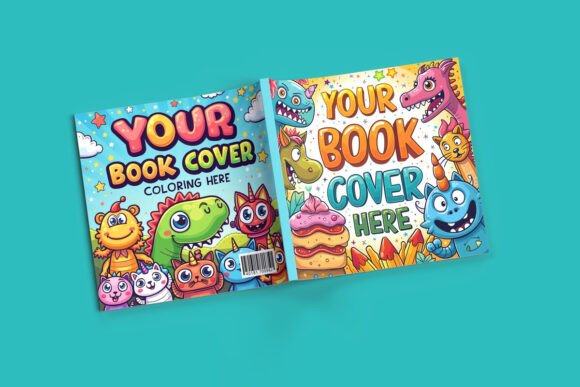
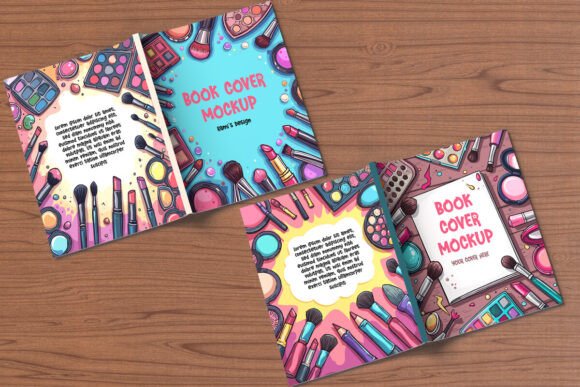
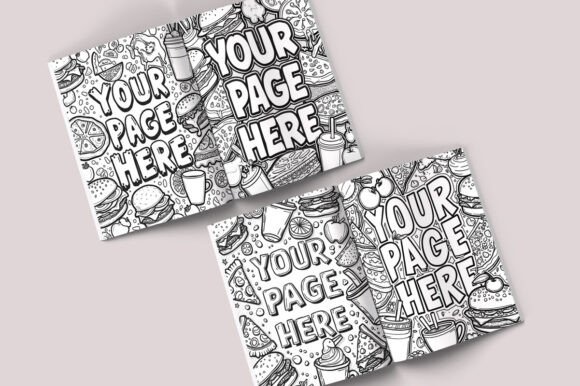
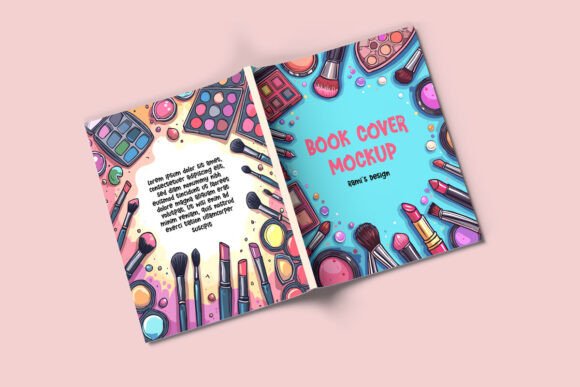
A Full Book Cover Mockup is a high-quality digital template that lets you place your cover design onto a realistic 3D representation of a book. It shows the front cover, spine, and back cover as they would appear on an actual printed book, often placed in lifestyle settings like a desk, coffee table, or bookshelf. Unlike flat 2D previews, these mockups give you a tangible sense of scale, material, and presence.
Why People Reach for a Full Book Cover Mockup
The moment someone sees your cover sitting on a virtual wooden desk or propped against a stack of magazines, something shifts. The idea becomes real. It stops being a concept and starts being a product. That shift matters whether you are a first-time author pitching your debut novel, a coach packaging a workbook, or a marketer building a lead magnet campaign.
You often need a Full Book Cover Mockup during the prelaunch phase, when you have zero physical inventory but want to generate interest. You also use it on landing pages, in email sequences, and on social media to help people visualize what they are getting. And you use it when you want to test cover designs without spending on a print run.
When Authors and Writers Use Full Book Cover Mockups
Self-published authors live and die by their covers. You have a few seconds to grab a potential reader's attention on Amazon or Instagram. A flat JPEG of your cover might get scrolled past, but a mockup that shows your book resting on a leather chair or beside a steaming mug of coffee invites people to pause. It creates a scene, not just a thumbnail.
Many authors use Full Book Cover Mockups for preorder campaigns. Instead of saying "my book is coming soon," you can show "here is what the physical book will look like on your nightstand." That visual anchor builds trust and anticipation. It also helps authors who are running Kickstarter or crowdfunding campaigns, where backers want to see a finished product before they pledge.
Writers launching a series often create mockups for each title and display them together in a single image. This lets readers see the cohesive look of the series and encourages them to imagine the whole set on their shelf. It is a subtle but effective way to increase perceived value and collectibility.
How Educators and Course Creators Use Full Book Cover Mockups
Not every "book" is a novel. Educators, coaches, and course creators often produce workbooks, guides, manuals, or companion journals. A Full Book Cover Mockup helps those materials feel professional and credible before a single digital copy is downloaded.
When you are selling a paid course that includes a workbook, you do not want to just list it as a bonus. You want to show it. A mockup of the workbook cover placed next to a laptop or inside a course platform screenshot signals that your offer has substance. It moves the workbook from "included PDF" to "physical experience," even if the actual file is digital.
Trainers who lead workshops often create printed handouts or participant guides. Before the event, they share mocked-up covers in promotional emails to registrants. This builds anticipation and makes the material feel ready and professional. It also sets a tone of quality that carries into the live session.
Professional and Commercial Use Cases
Full Book Cover Mockups are not just for authors. They show up in portfolio presentations, client pitches, and product launches across many industries.
Freelance Designers and Cover Artists
If you design book covers for clients, you need to present your concepts in a way that feels finished. A flat file leaves too much to the imagination. A mockup places the cover in a real-world context and helps the client see how the typography, color, and imagery work together on a physical object.
Designers build entire portfolios around mockup presentations. Instead of a grid of flat rectangles, you show potential clients a gallery of books sitting in natural environments. This approach communicates craftsmanship and attention to detail. It also helps you charge higher rates because the presentation itself looks premium.
When you are revising a cover based on client feedback, a mockup lets you compare versions side by side in a realistic way. You can show "version A" on a rustic wooden table and "version B" on a bright white studio surface. The context changes how people perceive the design, and you can guide the client toward the choice that works best.
Small Business Owners and Entrepreneurs
Business owners who publish content under their brand often create branded books or guides as part of their marketing strategy. A real estate agent might produce a home-buying guide. A financial planner might offer a retirement workbook. A health coach might write a recipe booklet.
All of these professionals benefit from a Full Book Cover Mockup because it makes their free or paid lead magnet feel like a real product. When someone can see the cover sitting on a desk with a pen beside it, they perceive more value. That perception directly impacts download rates, opt-in conversions, and follow-through engagement.
Entrepreneurs who speak at conferences or host webinars often create printed materials for attendees. A mockup of those materials shown in the registration email or on the event page increases the likelihood that people will show up and take the materials seriously.
Marketers and Content Strategists
Marketers use Full Book Cover Mockups in email campaigns, social media ads, and landing pages. A flat image might work, but a mockup in a lifestyle setting usually performs better because it stops the scroll. It looks less like an ad and more like a recommendation from someone who already owns the book.
In email marketing, a mockup placed next to bullet points about the book's benefits creates a stronger visual hierarchy. The reader sees the product, then reads the reasons to buy, and the combination feels more complete. Many marketers also use mockups in launch sequences where they tease the cover before the official release.
For content creators running affiliate promotions, showing a mockup of the book in a natural setting feels less promotional and more editorial. It fits into lifestyle content, reading lists, and gift guides without breaking the visual flow of the page.
What to Consider Before Choosing a Full Book Cover Mockup
Not every mockup is the same. The quality of the lighting, the resolution, the angle, and the flexibility all affect how useful the mockup will be in your specific situation.
Angle and Perspective
Some mockups show the book from directly above, others from a three-quarter angle, and others from eye level. Each perspective tells a different story. A top-down view works well for flat-lay social media posts and pin-style graphics. A three-quarter view is better for showing thickness and spine detail. Eye-level shots feel more immersive and are good for website hero images. Think about where and how you will use the image before you commit to a specific angle.
Ease of Editing
Most Full Book Cover Mockups come as Photoshop PSD files with smart object layers. You double-click the layer, paste your cover art, and the mockup does the rest. But if you do not use Photoshop, that workflow becomes a barrier. Some mockups also come in Canva-friendly formats or as simple image overlays. Check the editing requirements before buying, so you do not end up with a file you cannot use.
Lifestyle vs. Minimal Context
A lifestyle mockup places the book in a rich environment with props, lighting, and texture. This is powerful for emotional appeal and brand storytelling. But it can also distract if the background competes with the cover itself. A minimal mockup with a plain surface and soft lighting keeps the focus squarely on your design. Choose based on where the image will appear. A busy background might work for Instagram but hurt readability on an Amazon product page.
Usage Rights and Licensing
If you are using a mockup for commercial purposes, read the license carefully. Some mockups are free for personal projects but require an extended license for commercial use, advertising, or merchandise. This is especially important if you are running paid ads, printing physical copies, or using the mockup as part of a product you sell to clients.
Real Outcomes Through Practical Application
People often ask whether a Full Book Cover Mockup is worth the time and investment. The answer depends on what you want to achieve. If you are serious about selling books, building a brand, or presenting professional design work, the mockup is not a luxury. It is a practical tool that helps people see your work the way you see it.
Authors who use mockups in their prelaunch campaigns report higher levels of early engagement and preorder conversions. Designers who present work in mockup form win more projects and justify higher fees. Small business owners who treat their guides like real products see better opt-in rates and stronger brand perception.
The common thread is that people respond to what looks real. A flat image is a suggestion. A Full Book Cover Mockup is a preview of something that already exists in the world. That difference changes how your audience receives your work, whether you are selling a novel, a course workbook, or a corporate brochure.
When you choose a mockup that fits your use case, edit it carefully, and place it where your audience already spends time, you are not just decorating your content. You are building trust, signaling quality, and making it easier for people to say yes.